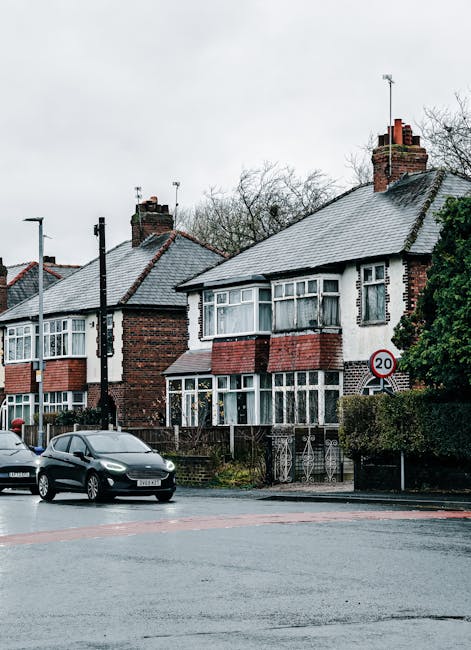
Archway Road bulky rubbish pickup options in Highgate: a practical guide for homes, flats, landlords and local businesses
If you live, work, or manage property along Archway Road, bulky rubbish has a habit of turning up at the worst possible moment. A sofa that will not fit through the stairwell. A broken fridge sitting in the hall. Garden waste piled up after a weekend clear-out. Or maybe it is just the usual slow build-up of things that have been meaning to leave the house for months. This guide explains Archway Road bulky rubbish pickup options in Highgate in a straightforward way, so you can choose the right route without overthinking it.
The aim here is simple: help you understand what qualifies as bulky rubbish, how collection options typically work in a busy London setting, what to watch out for, and how to avoid the little mistakes that cost time, money, or both. There is no magic to it, really - but there is a right way to do it.
Table of Contents
- Why Archway Road bulky rubbish pickup options in Highgate Matters
- How Archway Road bulky rubbish pickup options in Highgate Works
- Key Benefits and Practical Advantages
- Who This Is For and When It Makes Sense
- Step-by-Step Guidance
- Expert Tips for Better Results
- Common Mistakes to Avoid
- Tools, Resources and Recommendations
- Law, Compliance, Standards, or Best Practice
- Options, Methods, or Comparison Table
- Case Study or Real-World Example
- Practical Checklist
- Conclusion
- Frequently Asked Questions
Why Archway Road bulky rubbish pickup options in Highgate Matters
Bulky rubbish is not just "big waste". It is the awkward stuff that takes more planning than a normal bin lift and usually cannot be left out for a standard collection. On Archway Road, that matters because the local environment is not exactly built for hassle-free loading. You may be dealing with narrow frontages, shared entrances, timed access, parking pressure, or stairs that seem determined to test your patience.
Choosing the right pickup option matters for three reasons. First, it affects safety. Moving heavy items without the right equipment is how people strain backs, scratch walls, or chip paintwork on the way out. Second, it affects cost. A rushed or badly planned collection can mean extra labour or return visits. Third, it affects disposal quality. If you want items handled responsibly, you need a route that sorts reusable material, recyclable material, and any hazardous items properly.
For many people, bulky rubbish collection is less about the rubbish itself and more about getting life back in order. You clear a hallway and suddenly the space breathes again. A flat feels bigger. A shop stockroom feels usable. A garden finally looks like a garden. Funny how one awkward cupboard or old sofa can dominate a space, isn't it?
If you are sorting a wider property clear-out, you may also find it useful to look at related services such as home clearance, house clearance, flat clearance, or garage clearance, depending on where the bulky items are hiding.
How Archway Road bulky rubbish pickup options in Highgate Works
In practical terms, bulky rubbish pickup usually means a team collects large items from your property or kerbside, then loads, transports, and disposes of them through the appropriate route. The exact process varies depending on the type and volume of waste, access to the property, and whether the items can be reused, recycled, or must be treated as special waste.
A typical collection begins with an estimate. That may be based on photos, a description of the items, or a quick site visit if the job is more involved. Once the scope is clear, a collection window is arranged. On the day, the crew usually checks access, assesses lifting requirements, and removes the items with the right handling approach. Simple enough on paper. In real life, it can still involve a bit of juggling if parking is tight or the item is tucked behind three other heavy objects.
Depending on what you are clearing, you might combine bulky rubbish pickup with a targeted disposal service. For example, old seating is often handled through mattress and sofa disposal, while broken kitchen appliances may suit fridge and appliance removal. Larger renovation debris may be better handled under builders waste clearance. That distinction matters more than people think.
One thing to remember: bulky rubbish pickup is not the same as a skip left outside for days. With a pickup, waste is usually removed in one go, which can be far easier on roads like Archway Road where space is limited and neighbours notice everything.
Key Benefits and Practical Advantages
The best bulky rubbish pickup option is the one that saves you time without creating a second problem. For most Highgate households and businesses, that means a service that is quick, careful, and clear about what happens next.
- Less manual lifting for you - no wrestling with wardrobes, broken desks, or damp garden junk down a staircase.
- Cleaner exit routes - a good team protects floors, walls, and shared areas, which is especially useful in flats and converted buildings.
- Better sorting - reusable and recyclable items can be separated from general rubbish more efficiently.
- More flexibility - you can clear a single awkward item or a whole room, depending on what is going on.
- Faster turnaround - ideal when tenants are moving out, trades are due, or you simply want the place back.
- Reduced hassle with transport - no hiring a van, no loading it yourself, no figuring out where everything fits.
There is also a subtle benefit that people only notice after the fact: a tidy clear-out changes how a space feels. The room stops shouting at you. You open the door and think, right, that is sorted now.
Who This Is For and When It Makes Sense
Archway Road bulky rubbish pickup options in Highgate are useful for a wide mix of people. It is not just for large homes or major renovations. In fact, some of the most common jobs are the small-to-medium ones that keep getting postponed.
Homeowners and families
Families often need help after replacing furniture, clearing a spare room, or making space before a refurbishment. Bulky items build up quietly: an old cot, a wardrobe with the door hanging off, boxes of mixed household stuff. Suddenly the loft looks like a small museum of things you meant to sort out.
Tenants and landlords
End-of-tenancy clearances are a classic use case. If you are a tenant, you may want to leave a property in good shape and avoid arguing over leftover items. If you are a landlord or managing agent, speedy removal can help prepare a property for cleaning, maintenance, or viewings.
Flat owners and shared buildings
Highgate has plenty of properties where access matters as much as the waste itself. In flats, stairwells, communal halls, and entry systems can make bulky waste awkward. A properly planned pickup reduces disruption for neighbours and keeps shared areas tidy.
Local businesses
Shops, offices, studios, cafes, and workshops all generate bulky items sooner or later. Office chairs, shelving, filing cabinets, display units, broken appliances, and old stock all need a plan. If your need is business-focused, it may be more efficient to look at business waste removal or office clearance.
People dealing with one-off awkward items
Sometimes you do not need a major clearance at all. You just need one large thing out of the way. A mattress, a sofa, a fridge, or a cracked cabinet can be enough to justify a pickup. No drama. Just gone.
Step-by-Step Guidance
If you want the smoothest experience, treat the collection like a small project rather than an afterthought. That sounds grander than it is. It mostly means a bit of planning up front saves a lot of scrambling later.
- List what needs to go. Separate bulky items from general rubbish, recycling, electricals, and anything potentially hazardous.
- Check access. Measure doorways, stair turns, lifts, and gate widths if the item is particularly large.
- Take clear photos. Good photos help with accurate quoting and reduce surprises on the day.
- Decide whether items can be reused or dismantled. Some furniture clears more easily if a few screws are removed first.
- Choose the right collection type. A single-item pickup is different from a room-by-room clearance.
- Prepare the route. Move smaller objects out of the way, unlock access, and make parking or entry arrangements where possible.
- Confirm handling for special items. Fridges, mattresses, and some appliances need the right disposal route.
- Ask about sorting and recycling. It is fair to know what happens after collection.
- Arrange the collection at a practical time. If you live on a busy road, timing can make all the difference.
- Do a final sweep. Check cupboards, under beds, and behind doors before the team leaves. The lost remote control always seems to appear at that moment.
If you are clearing an attic or storage area as part of the job, loft clearance can be a sensible companion service. For more mixed domestic waste, waste removal may be the broader fit.
Expert Tips for Better Results
Over the years, the smoothest bulky rubbish pickups usually come down to three things: accurate information, realistic timing, and access that has been thought through properly. That is the unglamorous truth.
Be honest about the size and weight
If something is too large for one person to carry safely, say so. If it is waterlogged, broken, metal-heavy, or awkwardly shaped, mention that too. A bulky item can look harmless in a photo and still be a stubborn beast in person.
Group items by category
Keep furniture together, appliances together, and mixed junk separate where possible. This can speed up collection and make sorting easier.
Prepare for London access realities
Archway Road and the surrounding streets can be tricky for vehicle positioning, waiting time, and loading. If there is a narrow frontage or restricted stopping space, say it early. That tiny detail can save a lot of headaches.
Think about dismantling
Some wardrobes, bed frames, desks, and shelving units become far easier to move once partially dismantled. You do not need to strip everything apart like a flat-pack crime scene, but a few removed panels can change the whole job.
Ask what is excluded
Not every collection can take everything. Hazardous items, specialist waste, or contaminated material may need a separate approach. Better to ask than assume.
For more controlled disposal situations, especially where records or confidential materials are involved, confidential shredding is worth noting. It is not about bulky rubbish as such, but it often comes up in office and home clear-outs.
Common Mistakes to Avoid
Most problems with bulky rubbish collection are preventable. Not all, obviously. A lift can still break, a stairwell can still be narrower than you expected. But most of the avoidable stress comes from small oversights.
- Leaving everything until collection day - last-minute sorting usually slows things down and leads to missed items.
- Underestimating access issues - one tight corner or heavy door can be enough to change the whole lift plan.
- Mixing in restricted waste - hazardous or electrical items should be identified clearly.
- Not checking what is included in the quote - make sure labour, loading, and disposal are understood.
- Forgetting shared-building etiquette - keep hallways clear and let neighbours know if the job may be disruptive.
- Assuming everything can go together - general waste, green waste, appliances, and broken furniture may not all follow the same route.
A surprisingly common one is this: people clear the visible part of the room and forget the "just for now" pile in the corner. Then, after the team has left, they spot it. Classic. So do a slow final look around. It helps.
Tools, Resources and Recommendations
You do not need much specialist equipment to prepare for a bulky rubbish pickup, but a few simple tools make the job easier and safer.
- Measuring tape - useful for checking door frames, stair turns, lifts, and item dimensions.
- Phone camera - clear photos help with planning and avoid misunderstandings.
- Marker pens and labels - handy if you are sorting items into keep, donate, recycle, and remove piles.
- Gloves and closed shoes - sensible for moving small items or sharp-edged debris.
- Screwdriver or basic tool kit - helpful if furniture can be safely dismantled.
- Old blankets or moving pads - useful for protecting floors and doors during movement.
If you are unsure whether an item can be taken with other household waste, it can help to review what can go in a skip. Even though a skip and a pickup are different services, the basic principle is the same: not everything belongs in the same load.
For mixed domestic jobs or a full-property tidy-up, services such as furniture clearance, furniture disposal, and home clearance often solve the problem more neatly than trying to piece everything together yourself.
Law, Compliance, Standards, or Best Practice
Any bulky rubbish pickup should be handled with proper waste management practice. That means waste should be transported and disposed of responsibly, and duty of care should be taken seriously. In plain English, you want a provider who knows how to sort waste properly, avoid fly-tipping risk, and keep records or processes in order where required.
This is especially relevant for appliances, electricals, and mixed loads. Fridges, freezers, and some other items can require specific handling. Hazardous materials are a different matter again. Paints, solvents, asbestos, and similar items should never just be bundled in with ordinary bulky waste. If in doubt, ask first and keep it simple.
Good practice also includes insurance, safe lifting methods, and sensible handling in shared properties. If a company is moving large items through communal entrances or tight stairwells, it should do so carefully. A responsible crew will think about people, not just objects. That sounds obvious, but well, you would be surprised.
It is also wise to review health and safety policy information, insurance and safety details, and recycling and sustainability guidance where relevant. Those pages help set expectations about how the work is carried out and what happens to the waste after collection.
For commercial customers, proper handling matters even more. Office clear-outs often involve mixed material, confidential items, and furniture that has to be removed without disrupting business operations. That is why business waste removal and office clearance can be more suitable than trying to treat everything as a standard household job.
Options, Methods, or Comparison Table
There is no single best option for every bulky rubbish job. The right choice depends on volume, urgency, access, and the kind of items involved. Here is a simple comparison to help you judge the main approaches.
| Option | Best for | Pros | Watch-outs |
|---|---|---|---|
| Single-item pickup | One large item such as a sofa, mattress, or appliance | Fast, simple, minimal disruption | Can be less efficient if you have several items |
| Room or property clearance | Multiple bulky items, mixed household waste, end-of-tenancy jobs | Covers more in one visit, good for bigger jobs | Needs clearer planning and access information |
| Appliance-specific removal | Fridges, freezers, washing machines, cookers | Better handling for specialist items | May need separation from general rubbish |
| Builders waste clearance | Renovation debris, broken fixtures, light construction waste | Designed for project waste and fast turnaround | Not ideal for hazardous materials |
| Skip-based approach | Longer projects with steady waste generation | Convenient if you are producing waste over time | Needs space, permits may be an issue, and heavy lifting is still your job |
If you live on or near Archway Road and space is tight, a pickup is often the least disruptive choice. If you are managing a larger renovation or an attic clear-out spread over several days, a different method may suit you better. It is not about which option sounds better in theory. It is about which one fits the job in front of you.
Case Study or Real-World Example
Imagine a couple in a top-floor flat off Archway Road who have just replaced a sofa, a mattress, and an old bookcase. The sofa will not fit down the stair bend in one piece. The mattress has been sitting in the bedroom for days because, truth be told, nobody wants to be the person to drag it out. The bookcase is half dismantled and leaning against the wall.
They could try to solve it themselves with a hired van, a bit of manual lifting, and a lot of patience. Or they could arrange a bulky rubbish pickup that handles the awkward items in one go. In this kind of situation, the difference is not just convenience. It is reduced risk, less disturbance to neighbours, and a much quicker return to normal life.
Now take a small office on the same road. A refit has left old desks, chairs, filing cabinets, and a broken fridge in storage. Staff still need access during working hours, so the job has to be done cleanly and with minimal interruption. In that case, a planned office-related clearance, combined with appliance removal where needed, is usually the smarter path than trying to improvise with ad hoc transport.
That is the pattern, really. The best solution is the one that respects the shape of the property, the type of waste, and the time pressure you are under.
Practical Checklist
Use this checklist before your pickup day. It is simple, but it saves headaches.
- Identify every bulky item you want removed.
- Separate general rubbish from appliances and specialist waste.
- Check whether anything needs dismantling first.
- Measure access points if the item is large or awkward.
- Take a few photos of the items and the access route.
- Confirm parking, entry, or building access arrangements.
- Clear a path from the item to the exit.
- Protect floors or corners if the route is tight.
- Ask about recycling, reuse, and disposal handling.
- Double-check cupboards, lofts, and under-bed spaces for stray items.
Expert summary: on Archway Road, the most reliable bulky rubbish pickup option is usually the one that matches your access, volume, and urgency rather than the one that looks cheapest at first glance. A quick, well-planned collection often ends up being the better value because it avoids delays, damage, and second trips.
Conclusion
Archway Road bulky rubbish pickup options in Highgate are best understood as a practical toolkit. Sometimes you need a single-item removal. Sometimes you need a fuller clearance. Sometimes you need appliance handling, furniture disposal, or a broader waste solution that fits a busy property or a tight street. The key is to match the method to the mess, not the other way around.
Once you think in those terms, the decision gets easier. You look at access, timing, item type, and what you want the space to feel like afterwards. And then the clutter stops being this looming problem in the corner of the room.
Get a free quote today and see how much you can save.
When the last bulky item is finally gone and the room goes quiet again, that small sense of relief is worth a lot. Sometimes the most useful service is simply the one that gives you your space back.
Frequently Asked Questions
What counts as bulky rubbish in Highgate?
Bulky rubbish is usually anything too large, heavy, or awkward for standard household waste collection. That often includes sofas, mattresses, wardrobes, appliances, tables, beds, and similar oversized items.
Can I leave bulky rubbish on Archway Road for collection?
Only if the collection method and access arrangements allow it. In a busy London road, it is usually better to confirm the pickup plan in advance so items are removed safely and without blocking pedestrians or traffic.
Is it better to book one item at a time or a full clearance?
If you have several items, a fuller clearance is often better value and less disruptive. For one awkward item, a single-item pickup may be all you need. It depends on volume and access.
What happens to bulky rubbish after it is collected?
It is normally sorted for reuse, recycling, or disposal depending on the item type and condition. Responsible handling matters, especially for appliances, furniture, and mixed waste.
Can appliances be collected with other bulky items?
Sometimes yes, but appliances often need separate handling, especially fridges and freezers. It is best to mention them clearly when arranging the pickup.
Do I need to dismantle furniture before pickup?
Not always, but dismantling large items can make removal easier and safer. If a wardrobe or bed frame is too awkward to move in one piece, partial dismantling can help a lot.
What if my building has narrow stairs or a small lift?
That is common in Highgate and it is exactly why access details matter. Share the layout in advance so the collection can be planned properly.
Are there items that cannot go in a bulky rubbish pickup?
Yes. Hazardous items and certain specialist wastes may need separate handling. If you are unsure, identify the item before collection rather than mixing it in.
How do I choose between rubbish pickup and skip hire?
If you want quick removal and limited disruption, pickup is often better. If you are generating waste over several days and have the space for a skip, that can work too. The right choice depends on the job.
Can businesses use bulky rubbish pickup services too?
Absolutely. Offices, shops, cafes, landlords, and property managers often need bulky item removal for furniture, fixtures, and clear-outs. Business-focused services can be the better fit for that kind of work.
Is bulky rubbish pickup suitable for end-of-tenancy clear-outs?
Yes, very often. End-of-tenancy jobs are one of the most common reasons people book bulky item removal, especially when leftover furniture or appliances need to be cleared quickly.
How can I make the collection day go more smoothly?
Prepare the items, clear the route, share access details, and make sure any special waste is identified. A little planning goes a long way. Honestly, it saves more stress than people expect.