Health and Safety Policy — Business Waste Removal Highgate
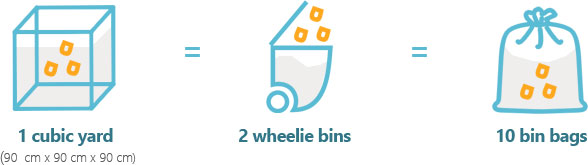 This Health and Safety Policy sets out the standards and practices for Business Waste Removal Highgate and related commercial rubbish services across our operating area. It outlines responsibilities, risk controls, training expectations and monitoring arrangements designed to protect staff, contractors, visitors and the public. The policy applies to all routine and non-routine tasks involved in the collection, transport and disposal of business waste.
The objective is to maintain a safe working environment while delivering efficient rubbish removal and commercial waste collection. We commit to regular risk assessments, documented procedures and continuous improvement. All employees must follow the measures described here, report hazards promptly and participate in safety briefings. Safety is integral to service delivery, and compliance with this policy is mandatory for everyone working with or for the company.
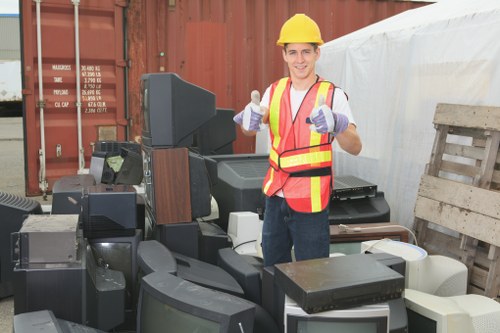 Roles and responsibilities are clearly defined. Senior management is responsible for policy implementation and resourcing; supervisors must ensure day-to-day compliance; employees are required to work safely and use issued equipment correctly. Contractors and temporary staff engaged in rubbish collection or business waste management operations must meet competency standards before starting any work. Everyone has a role to play in preventing accidents and reducing exposure to hazards.
Risk Assessment and Control Measures
All activities are subject to documented risk assessments that identify hazards such as manual handling, vehicle movements, sharps and hazardous substances. Controls are applied using a hierarchy of measures: elimination, substitution, engineering controls, administrative controls and personal protective equipment (PPE). Routine tasks are reviewed periodically and whenever circumstances change.
PPE requirements include high-visibility clothing, safety footwear, gloves appropriate to the waste type and respiratory protection where dust or fumes are present. Equipment is inspected before use and replaced when worn or defective. Training on PPE selection, fit and maintenance is provided during induction and refreshed regularly to support safe rubbish removal operations.
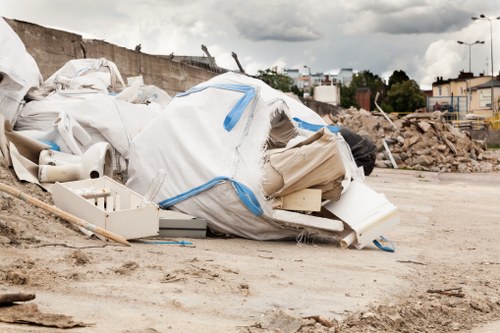 Specific handling protocols are established for different waste streams to prevent contamination and injury. Procedures cover segregation, containment, secure loading and unloading of commercial waste units. Spill kits and containment materials are available to manage accidental releases. Supervisors must ensure that appropriate signage and segregation practices are in place to mitigate cross-contamination risks.
Vehicles, Equipment and Depot Safety
Fleet and equipment safety is integral to our commercial waste removal service. Vehicles are subject to scheduled maintenance, daily pre-shift checks and secure loading procedures. Drivers and loaders receive training on safe vehicle operation, reversing protocols and the safe use of lifting and compacting equipment. Vehicle movement within depots and client sites must be controlled with exclusion zones and clear communication procedures.
Depots and transfer sites are managed to reduce slips, trips and falls, with clearly marked walkways, adequate lighting and safe storage arrangements for bins, cages and bulky items. Access to areas with moving machinery is restricted to trained personnel. Emergency exits and firefighting equipment are maintained and kept unobstructed at all times.
- Key safety rules: conduct pre-task briefings; follow safe lifting techniques; never bypass safety guards.
- Hazardous wastes: segregate and label correctly; use licensed carriers when required.
- Sharps and medical waste: use puncture-resistant containers and follow disposal protocols.
Incident reporting and investigation procedures are in place to capture near misses, accidents and dangerous occurrences. Employees must report incidents without delay so that prompt corrective action can be taken. Investigations focus on root causes and practical improvements to prevent recurrence. Records of incidents, training and inspections are kept to support continual learning and compliance with regulatory expectations.
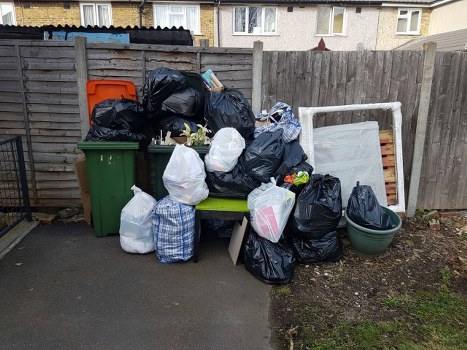 Training and competency development are central to maintaining a safe workforce. Induction covers company policies, emergency procedures and basic waste handling. Role-specific training includes vehicle operation, mechanical equipment use, hazardous waste handling and manual handling refresher sessions. Performance assessments ensure staff are confident and capable in their roles.
 Monitoring and review mechanisms include routine site inspections, toolbox talks, safety audits and management reviews. The policy is reviewed at defined intervals and updated in response to legislative changes, operational developments or incident learnings. Continuous engagement with employees ensures practical improvements are embedded into daily rubbish collection and waste management activities.
In summary, this Health and Safety Policy for Business Waste Removal Highgate emphasises a proactive approach to risk management, clear responsibilities, effective training and robust operational controls. It supports the delivery of safe, compliant rubbish removal and commercial waste services while protecting people and the environment. Compliance with this policy is a condition of employment and subcontract engagement.
Commitment: management and staff must work together to achieve and maintain the standards set out here. Regular communication, practical training and diligent risk control will underpin safe operations and high-quality service delivery across our service area.
All personnel are encouraged to raise safety concerns and suggest improvements. By embedding these principles into everyday practice, the organisation will reduce risk, enhance wellbeing and ensure consistent, reliable commercial waste collection and rubbish removal services.
